Empty tables cost money. Every unfilled booking slot is revenue you'll never get back. But getting more bookings in 2026 isn't about gimmicks - it's about making it easy for customers to find you and book with you.
Around 70% of pub searches now happen on a phone, often from someone who is already out and deciding where to go next. That means the bottleneck usually isn't your hospitality - it's how quickly a stranger on a mobile can find you, read your menu and secure a table.

Here are the strategies that actually work for UK pubs right now.
1. Make Online Booking Frictionless
If booking a table at your pub requires a phone call during opening hours, you're losing bookings. People search for pubs in the evening, on the train, at work - times when calling isn't convenient.
Action: Implement online booking. Options range from simple embedded forms to full systems like ResDiary or OpenTable. At minimum, make sure your Google Business Profile has a booking button that works.
2. Own the "Pub Near Me" Search
When someone searches "pub near me" on their phone, who comes up? If it's not you, those potential customers are going to your competitors.
Action: Fully optimise your Google Business Profile. Correct category, complete information, quality photos, consistent NAP across the web, and a steady stream of reviews.See our Map Pack guide for the full breakdown.
3. Make Your Menu Visible and Appealing
Customers deciding where to eat check menus. If yours is a blurry PDF that's impossible to read on a phone, they'll go elsewhere.
Action:Put your menu on your website as text, not just a PDF. Make it mobile-friendly. Include mouth-watering descriptions. If your menu changes frequently, make sure it's easy to update.
There's an SEO reason too: Google struggles to read text locked inside a PDF, so your cask ales, your house burger and your roast descriptions are effectively invisible in search. An HTML menu puts all of that on the page where it can actually rank.
Also worth doing:tag vegan, vegetarian and gluten-free options clearly. Group bookings usually stall on one person asking "can everyone eat there?" - answering that on the page wins the whole table. See how we handle this with an online menu built for pubs.
4. Use Booking Deposits Strategically
No-shows kill revenue. A table of 6 that doesn't turn up is potentially £150+ gone, plus you turned away other customers.
Action: Take deposits for larger bookings and peak times. £5-10 per person is standard and rarely puts off genuine customers. The system pays for itself in avoided no-shows.
5. Follow Up After Visits
A customer who enjoyed themselves is likely to come back - if they remember you. Following up keeps you top of mind and encourages repeat bookings.
Action:Capture email addresses (through booking systems or WiFi login). Send occasional emails about upcoming events, seasonal menus, or special offers. Don't spam - once or twice a month is plenty.
The easiest win is a table-side QR code:a small card that lets diners scan and join a monthly "what's on and priority booking" list, ideally with a reason to bother - entry into a monthly bar tab draw works well. It catches the summer tourists and one-off visitors who enjoy themselves enormously and then vanish because you had no way to stay in touch.
6. Make It Easy to Book for Groups
Group bookings are high value - birthday parties, work outings, family gatherings. But organising groups is stressful. Make it easy and you'll win more of them.
Action:Have a clear page on your website for group bookings and private hire. Include set menus, prices, capacity, and what's included. Respond to enquiries within hours, not days.
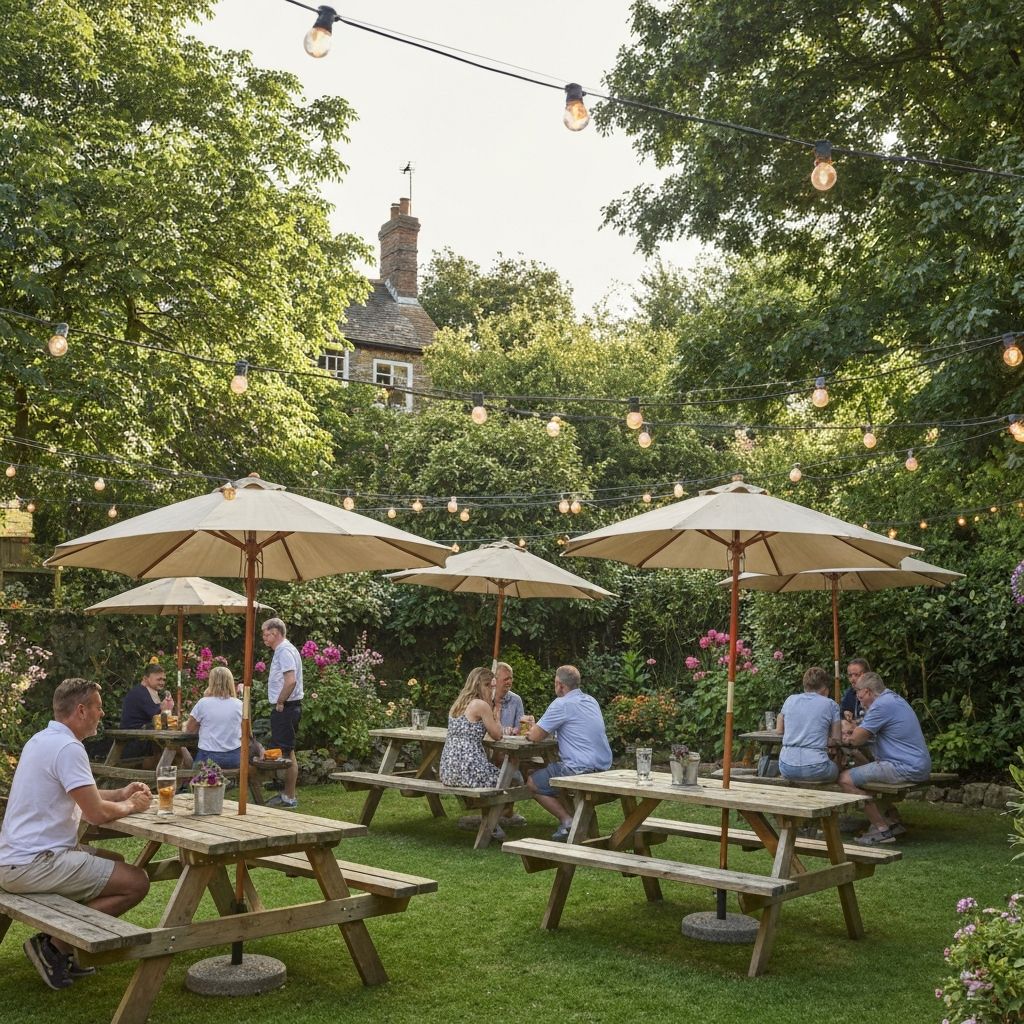
Give every space its own photo:if you have a function room, a snug and a beer garden, list them separately with a picture and a rough capacity. Someone organising a birthday for fourteen needs to picture where they'll actually sit before they'll commit - a single generic interior shot leaves them guessing, and guessing means they enquire elsewhere.
7. Optimise for Sunday Lunch
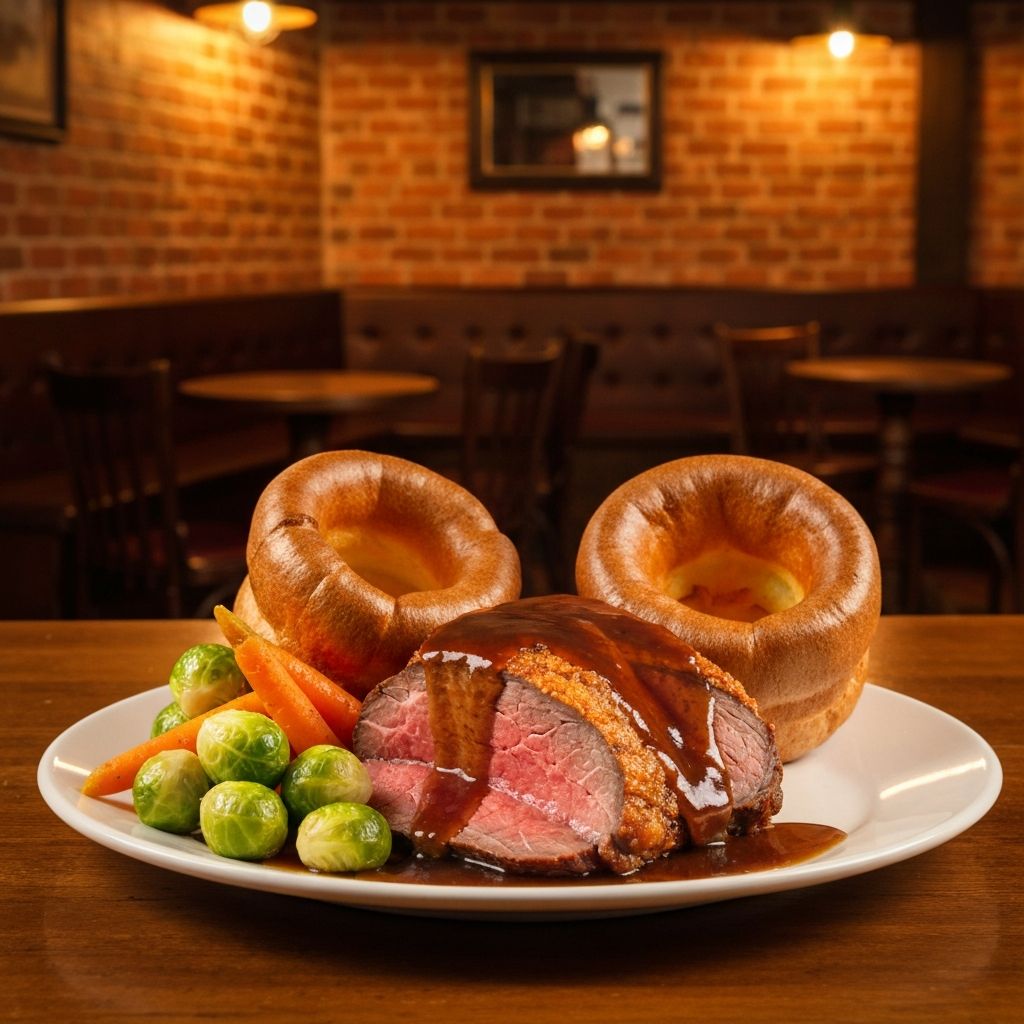
Sunday lunch is peak booking territory for pubs. Families plan ahead and book rather than walk in.
Action:Have a dedicated Sunday lunch page/section. Post your Sunday menu on social media each week. Consider a Sunday-specific booking page or phone line if it's your biggest trading day.
8. Get More (and Better) Reviews
Reviews influence booking decisions. A pub with 200 reviews averaging 4.5 stars looks more appealing than one with 20 reviews at 4.7 stars.
Action: Actively encourage reviews. Table cards with QR codes, follow-up emails, staff asks. Respond to every review - positive and negative.See our review guide for more tactics.
9. Reduce Friction Everywhere
Every extra click, every form field, every moment of confusion loses bookings. Audit your booking journey from the customer's perspective.
Action: Can someone book in under 60 seconds? Is your phone number clickable on mobile? Does your website load fast? Remove every unnecessary step.
On tap-to-call specifically: put a clickable phone number at the top andbottom of every page, not buried on a contact page nobody visits. Plenty of locals would rather ring than fill in a form, and a number they have to copy out by hand is a number they don't dial. The same goes for form fields - name, party size, date, time and dietary notes is genuinely all you need.
10. Track What Works
You can't improve what you don't measure. Know where your bookings come from so you can double down on what works.
Action: Ask customers how they found you. Track website visits and where they come from. Monitor which marketing efforts lead to actual bookings, not just clicks.
11. Give Quiet Midweek Nights a Reason to Exist
Fridays and Saturdays look after themselves. Tuesdays and Wednesdays are where your fixed costs - staff, heating, rent - quietly eat the week's profit.
Action:Random social posts on the day rarely shift a quiet Wednesday. A recurring, named event does: a weekly quiz, a pie-and-pint club, an open mic night. Put it on a proper events page with dates people can book, bundle it ("quiz team platter plus four pints") so there's a reason to reserve rather than turn up, and promote it four to six weeks ahead rather than that morning.
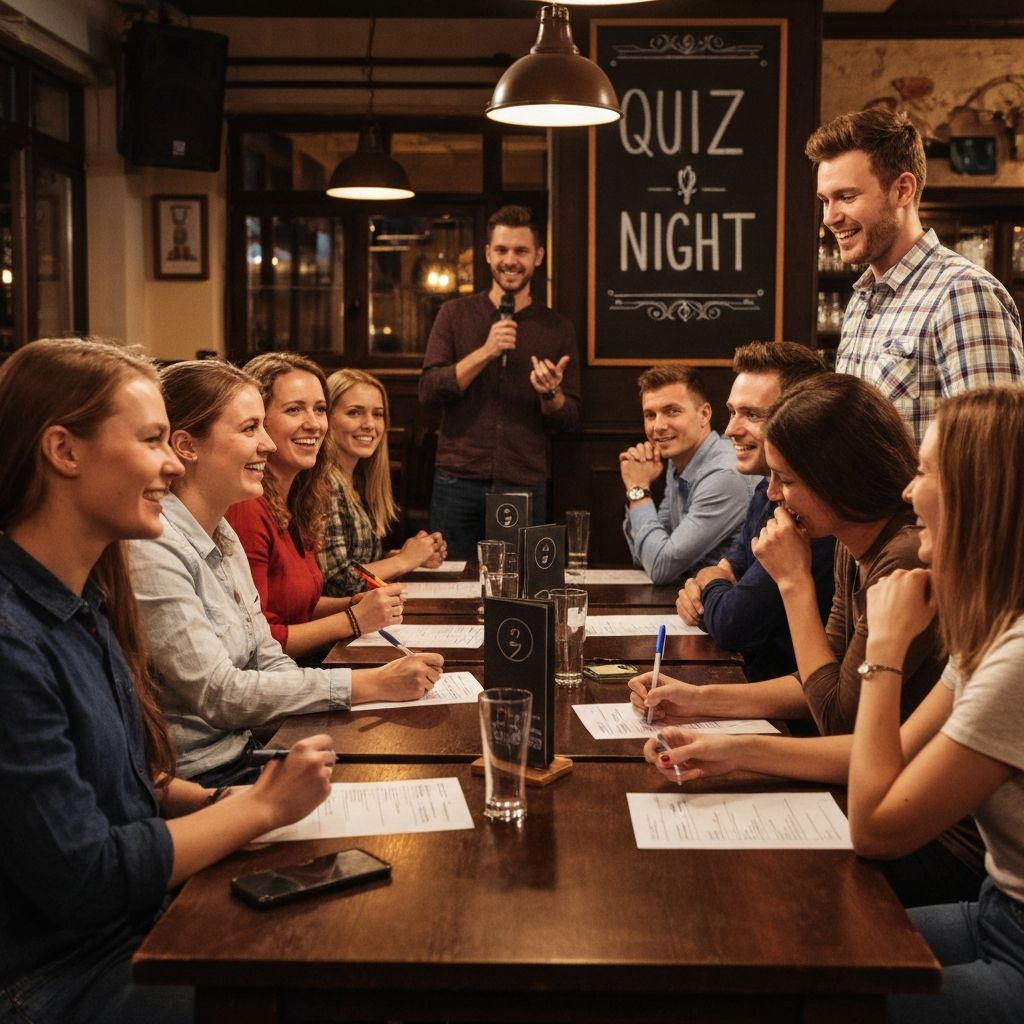
There's a lot more to this one than a single section allows - our full guide to filling your pub midweek covers the pricing and promotion side properly.
Start Today
You don't need to do everything at once. Pick two or three of these strategies and implement them properly. Then move to the next ones.
If you want a personalised assessment of what would have the biggest impact for your pub, book a free audit. We'll review your current setup and give you a prioritised action list.
If you'd rather not do it yourself, that's the whole of what we do - pub website design, local SEO and Google Business Profile management are all included in one £99/month plan, with no setup fee and 30 days' notice to cancel.