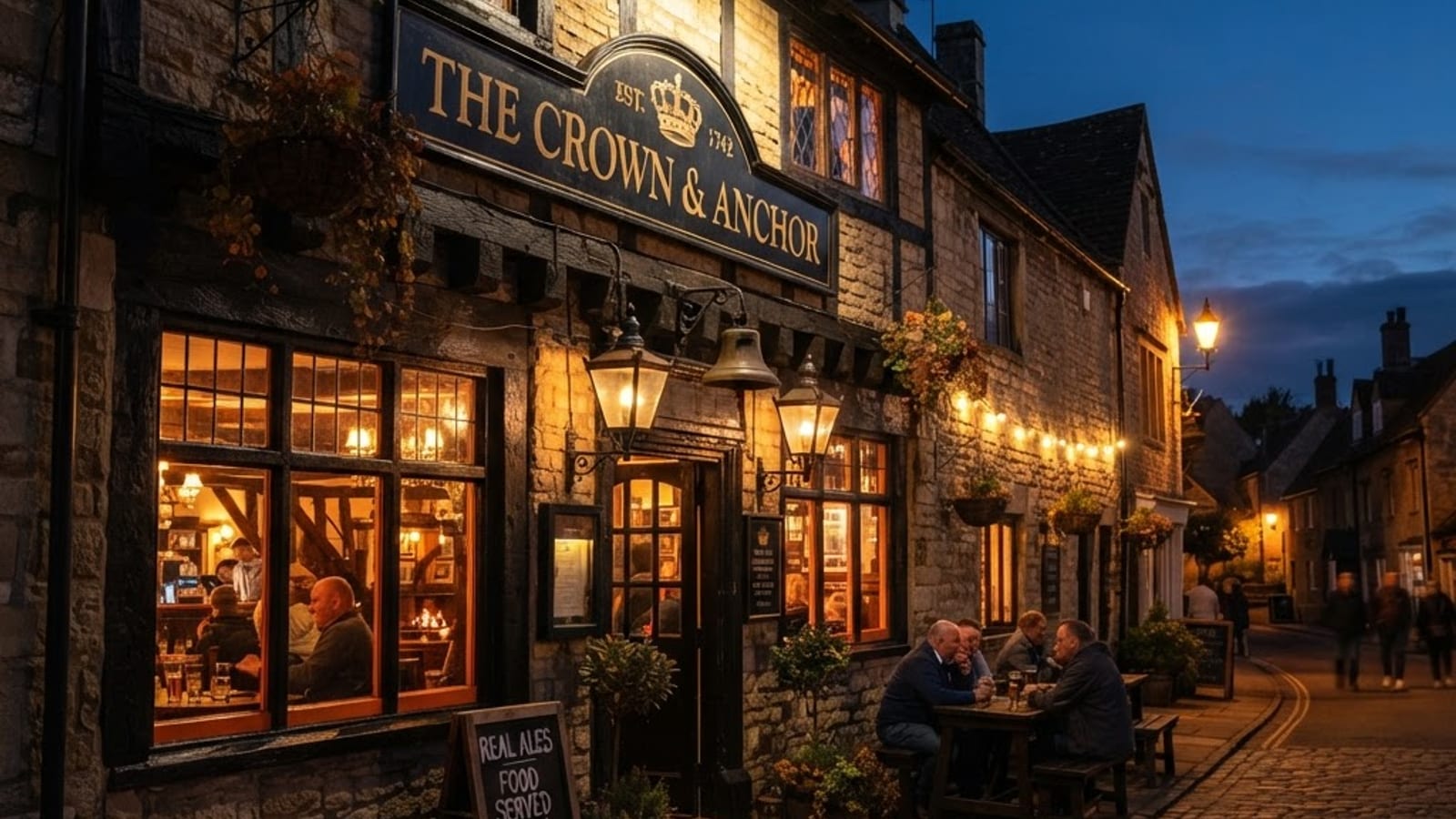
The latest pub closure figures are difficult reading.
According to British Beer and Pub Association data, 161 pubs closed across England, Scotland and Wales in Q1 2026.
That is almost two pubs every day.
It is also a 26% increase on the 128 closures recorded during the same period in 2025. Around 2,400 jobs were lost.
pubs closed across England, Scotland and Wales in the first three months of 2026 - up from 128 in Q1 2025 (BBPA)
The reasons are familiar:
- Rising labour costs.
- Higher energy and supplier bills.
- Business rates pressure.
- A heavy tax burden.
- Increasing regulatory and compliance costs.
- Customers spending more cautiously.
You cannot control most of those costs.
You can control how easily customers find your pub, understand what you offer and book a table.
That matters because a pub that is invisible online is relying entirely on passing trade, regulars and luck. In the current market, that is not enough.
The closure crisis is bigger than a quiet bar
The BBPA says many pubs are still trading well. The problem is that rising costs are wiping out the profit.
As the BBC reported, the trade body has linked the closures to labour costs, business rates, tax changes and shifting customer habits. The BBPA has also called for a fairer tax system and reduced regulatory pressure.
Those are important long-term issues. But policy changes will not improve your bookings this week.
Your immediate question is simpler:
How do you make sure more local customers choose your pub when they are ready to spend?
The answer starts with your digital presence.
What you can control: the path from search to booking
Customers usually move through three stages before visiting a pub:
- They search.
- They compare.
- They contact or book.
If your pub fails at any stage, you lose the customer.
Good SEO for pubs means improving every part of that journey. SEO, or search engine optimisation, is the work that helps your website and online listings appear when people search for relevant local businesses.
It is not about filling your website with awkward keywords.
It is about being useful at the exact moment someone is deciding where to eat, drink or meet.
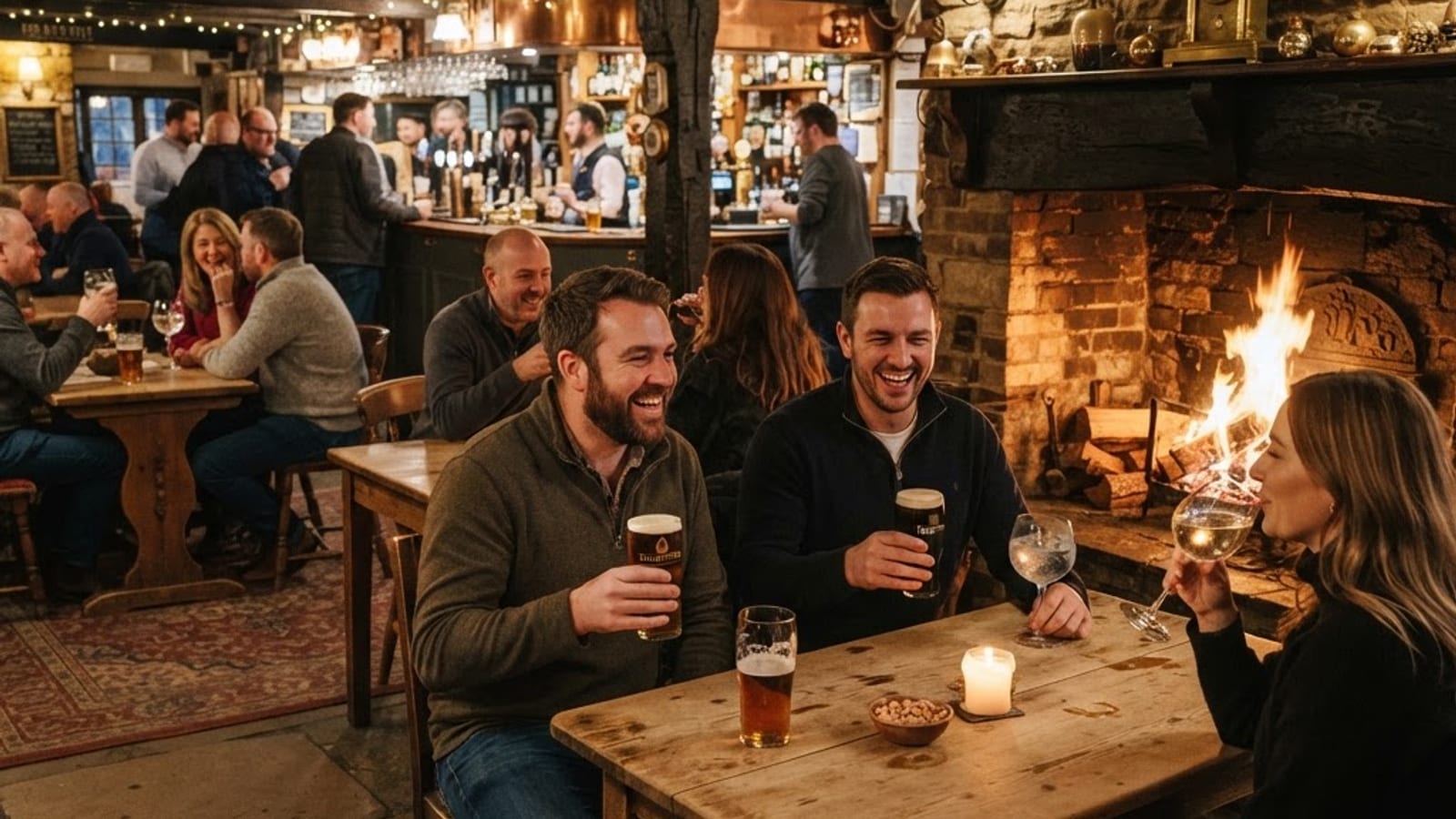
1. Build pages around reasons to visit
A common mistake is having a website with only three pages:
- Home.
- About.
- Contact.
That gives Google very little information to match against customer searches. It also gives customers no clear reason to choose you.
Create useful pages for the occasions and experiences that generate bookings at your pub. For example:
- Private dining and group bookings.
- Birthday meals and celebrations.
- Business lunches.
- Family dining.
- Dog-friendly visits.
- Accommodation and overnight stays.
- Local walks and destination dining.
- Christmas parties and private hire, when relevant.
- Your pub's food, drink and hospitality style.
Each page should answer practical questions:
- What do you offer?
- Who is it for?
- How many people can you accommodate?
- What does it cost?
- Where are you?
- How does someone book?
This is one of the most effective pub marketing ideas UK landlords can implement because each page can target a different customer need. It also creates more routes into your booking system.
2. Make the booking journey shorter
Many pubs spend time attracting visitors to their website, then make booking unnecessarily difficult.
A customer should not have to:
- Search for your phone number.
- Download a form.
- Open a PDF.
- Create an account.
- Wait for an email response.
- Navigate through five menu screens.
Your website should make the next step obvious. We recommend:
- A Book a Table button in the main navigation.
- A tap-to-call button on every mobile page.
- Booking buttons on food, group dining and private hire pages.
- Clear kitchen and bar opening times.
- A short explanation of what happens after a booking request.
- A fallback phone number for customers who prefer to speak to someone.
Around 70% of pub searches now happen on a phone, which is why we build every site mobile-first. Your booking process has to work properly on a small screen.
If a customer has to pinch, zoom or hunt for the booking button, they may simply choose the next pub in the search results.
3. Turn your website into a sales tool
Your website should do more than display your logo and address. It should help customers decide.
That means showing:
- Your best dishes.
- Your dining areas.
- Your bar and atmosphere.
- Your location and parking information.
- Your latest offers or events.
- Genuine customer reviews.
- Clear booking options.
- Accurate opening information.
Use strong photography. A dark, empty room does not sell a warm welcome. Show the experience customers can expect.
Your site also needs to load quickly. Slow pages create frustration, particularly for people searching on mobile while travelling or making a last-minute decision.
We build mobile-first pub websites with:
- Integrated booking systems.
- Tap-to-call buttons.
- Easy-to-update content.
- Search-friendly HTML pages.
- Fast loading performance.
- Clear local contact information.
The benefit is straightforward: more of the people who find you online become callers, enquiries and bookings.
4. Use local SEO to capture high-intent demand
Local SEO helps your pub appear when customers are looking for somewhere nearby.
of all Google searches have local intent - and 78% of local mobile searches result in an offline purchase
These are high-value searches because the customer is often close to making a decision. We go into the mechanics in more depth on our local SEO for pubs page.
Focus your website content on specific, natural phrases such as:
- “pub with private dining in [town]”
- “country inn near [village]”
- “group dining in [area]”
- “dog-friendly pub near [landmark]”
- “pub accommodation in [town]”
- “place for a business lunch in [location]”
Do not target every phrase at once.
Choose the searches that match your most profitable bookings. Then create useful content around them.
A page targeting private functions should not read like a generic blog post. It should include capacity, menus, photos, booking information and an enquiry form.
That is the difference between traffic and commercial visibility.
5. Keep your online information accurate
Customers will leave if your information looks unreliable.
An incorrect closing time, old menu or broken booking link can cost you a booking before you ever know the customer was there.
Check these details regularly
- Opening hours
- Food serving times
- Bank holiday hours
- Phone number
- Address and directions
- Booking links
- Menus and prices
- Accessibility information
- Group booking details
Your Google Business Profile should support this information, not contradict it. Your website, social media profiles and directory listings should all show the same core details.
This is basic work. It is also essential work.
Customers do not usually complain when they find inaccurate information. They go somewhere else.
6. Make reviews part of your operating routine
Reviews are not a replacement for good service. They are proof of it.
of consumers trust online reviews as much as personal recommendations
That makes reviews particularly important for:
- New customers.
- Destination pubs.
- Gastropubs.
- Country inns.
- Private dining enquiries.
- Visitors unfamiliar with your area.
Ask satisfied customers at the right time. For example:
- After a successful group booking.
- When a customer compliments the food.
- After a private event.
- In a post-visit email.
- Through a simple table card or QR code.
Respond to reviews professionally. Thank people for positive feedback. Address negative experiences without arguing in public.
The benefit is twofold:
- New customers see evidence that your pub delivers.
- Search engines receive ongoing signals that your business is active and relevant.
7. Track bookings, not vanity metrics
Likes and impressions are not enough to protect your margins.
You need to know which marketing activity creates business. Track:
- Website booking enquiries.
- Phone calls from your website.
- Clicks on booking buttons.
- Enquiries for private hire.
- Requests for group dining.
- Search terms bringing people to your pages.
- Booking sources in your reservation system.
If you run a promotion or publish a new landing page, give it a clear booking route. Then review the results.
A useful monthly report should tell you:
- What customers searched for.
- Which pages they visited.
- How many people called.
- How many people clicked to book.
- Which opportunities need more work.
That is more useful than a report full of unexplained graphs.
A practical 30-day action plan
If you need a clear starting point, work through this list.
Week one: remove friction
- Test your website on your phone
- Click every booking button
- Check your phone number
- Check opening and kitchen hours
- Remove broken links
- Make your main booking action visible
Week two: improve your commercial pages
- Create one page for group bookings
- Create one page for private hire or functions
- Add clear information about capacity and menus
- Add a direct enquiry form or phone CTA
- Replace weak photography with genuine images of your pub
Week three: strengthen local visibility
- Review your website titles and page descriptions
- Add your town and surrounding areas naturally
- Check that your business details match across major directories
- Add internal links between relevant service and booking pages
- Use schema markup where appropriate
Week four: measure what is working
- Record your website enquiries
- Check calls and booking clicks
- Compare your busiest and quietest booking sources
- Ask recent customers how they found you
- Fix the weakest part of the journey first
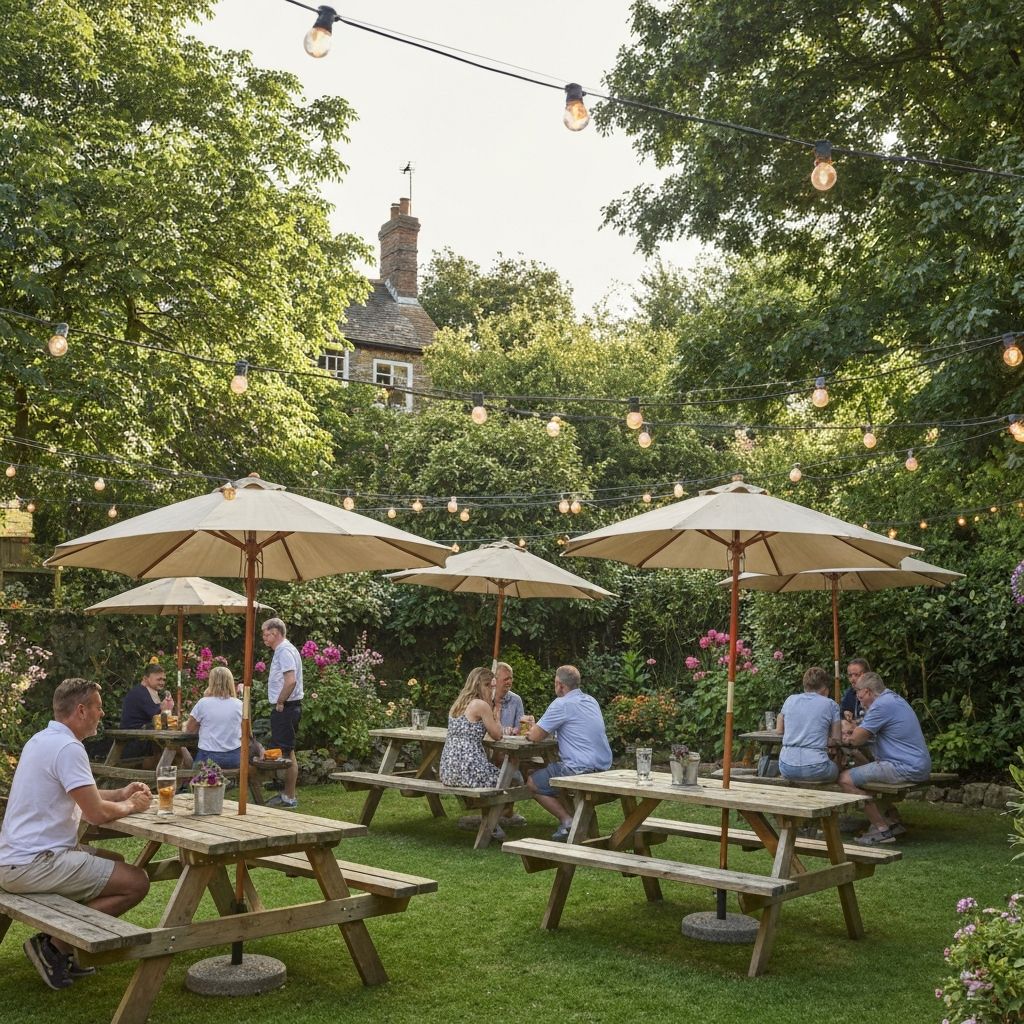
How much should effective pub marketing cost?
You do not need a large agency contract to improve your online presence.
At PubLandlord, our all-inclusive plan is £99 per month, normally £199. It includes:
- A mobile-first pub website.
- Hosting and support.
- Local SEO.
- Booking features.
- Tap-to-call functionality.
- Ongoing content updates.
- Search-friendly website improvements.
There is no setup fee and no long contract.
If you are not ready to commit, start with a free pub website and SEO audit. We review your mobile performance, booking journey, local visibility, reviews and competitors, then send practical recommendations within 48 hours.
Start with the gaps you can fix today.
Request your free pub website and SEO audit
We will tell you what is holding your pub back and what to fix first. Or get started for £99 per month with no setup fee and no long contract.
Get my free auditYou can also call PubLandlord on 020 4620 4427, or see the £99 plan.